
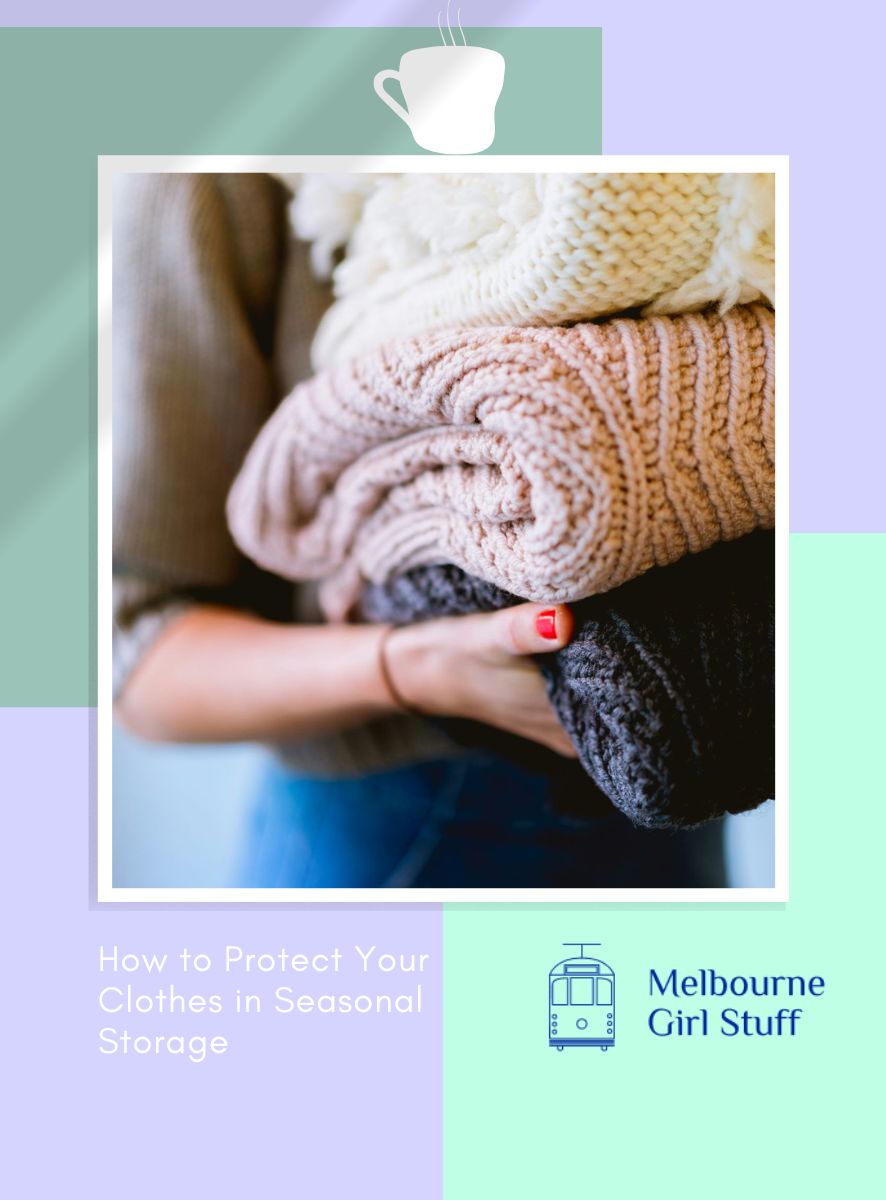
For many Australians, seasonal clothing storage is part of staying organised throughout the year. Heavy winter jackets, knitwear, scarves, and boots often get packed away during summer, and lighter clothing rotates out once the colder months arrive, but storing clothes incorrectly can lead to mould, odours, fabric damage, and even pest problems. Whether you’re storing clothes in wardrobes, garages, attics, or spare rooms, taking the right precautions can help keep your clothing in excellent condition for years to come.
Always Clean Clothes Before Storing Them
One of the biggest mistakes people make is storing clothes without washing or dry-cleaning them first. Even if garments seem clean, invisible dirt, sweat, oils, and food residue can attract pests and lead to lingering odours over time, so before packing anything away, make sure all clothing is properly cleaned and completely dry. Damp fabrics can quickly develop mould or mildew, particularly when stored for long periods in enclosed spaces.
Delicate items like wool coats, suits, and knitwear should be cleaned according to care instructions before storage, so taking the extra time to prepare clothing properly helps preserve fabrics and prevent damage during the off-season.
Choose the Right Storage Containers
The type of storage container you use can make a significant difference in protecting your clothes. Plastic storage tubs with secure lids are often a popular option because they protect garments from dust, insects, and moisture more effectively than cardboard boxes, and clear containers are particularly useful because they allow you to identify contents easily without opening every box.
Vacuum-sealed bags also work well for bulky winter clothing, although delicate fabrics should not remain compressed for extremely long periods, so avoid storing valuable clothing in vacuum bags or thin plastic bags from dry cleaners, as these can trap moisture and contribute to fabric deterioration over time. Breathable garment bags are generally better suited for long-term storage of coats, dresses, and formal wear.
Keep Moisture Away From Stored Clothing
Moisture is one of the biggest threats to seasonal clothing storage and storage areas like garages, basements, and attics are especially vulnerable to dampness and temperature changes. Excess moisture can cause mould growth, musty smells, and permanent fabric damage if left unchecked, so to reduce moisture risks, use silica gel packets, moisture absorbers, or dehumidifiers where necessary. Making sure storage spaces are well-ventilated can also help minimise humidity buildup.
If you notice unexplained dampness, water stains, or persistent moisture near storage areas, it may be worth investigating potential plumbing or structural issues. In some situations, professional water leak detection Melbourne services can help identify hidden leaks that may be affecting indoor storage conditions.
Protect Clothes From Pests
Moths, silverfish, and other pests can become a major problem for stored clothing, especially natural fibres like wool and cotton, and preventing pests starts with cleanliness and proper storage conditions. Avoid storing clothes in damp or dusty environments, and regularly inspect storage areas for signs of insects or damage.
Cedar blocks, lavender sachets, and sealed containers can help deter pests naturally without exposing garments to harsh chemicals. It’s also important not to overcrowd storage containers, because allowing some airflow between garments helps reduce trapped moisture and makes it easier to spot issues early.
Organise Seasonal Clothing Properly
Good organisation can make seasonal wardrobe changes much easier. Grouping clothes by season, category, or family member helps streamline storage and retrieval, so labelling containers clearly saves time when the seasons change again. Some people also create a simple inventory list to avoid forgetting what has been packed away.
Frequently used items should remain easily accessible, while rarely used garments can be placed further back in storage areas. Rotating clothing regularly also provides opportunities to inspect garments for damage or cleaning needs before problems get worse.
Be Careful With Hanging Garments
Not all clothing should be folded for long-term storage, and structured garments like coats, blazers, dresses, and suits often maintain their shape better when hung properly. Use sturdy, padded hangers where possible to avoid stretching or shoulder damage, because lightweight wire hangers are generally not ideal for long-term storage as they can distort garment shapes over time.
At the same time, heavy knitwear should usually be folded rather than hung to prevent stretching, so choosing the correct storage method for different fabrics can significantly extend the lifespan of your clothing.
Proper Storage Helps Clothes Last Longer
Seasonal storage is about more than simply clearing wardrobe space. Taking the time to store clothing correctly protects fabrics, prevents costly damage, and helps garments remain fresh and wearable year after year. A little preparation now can save significant frustration and expense later, especially when favourite winter coats or summer outfits are ready to wear when the seasons change.